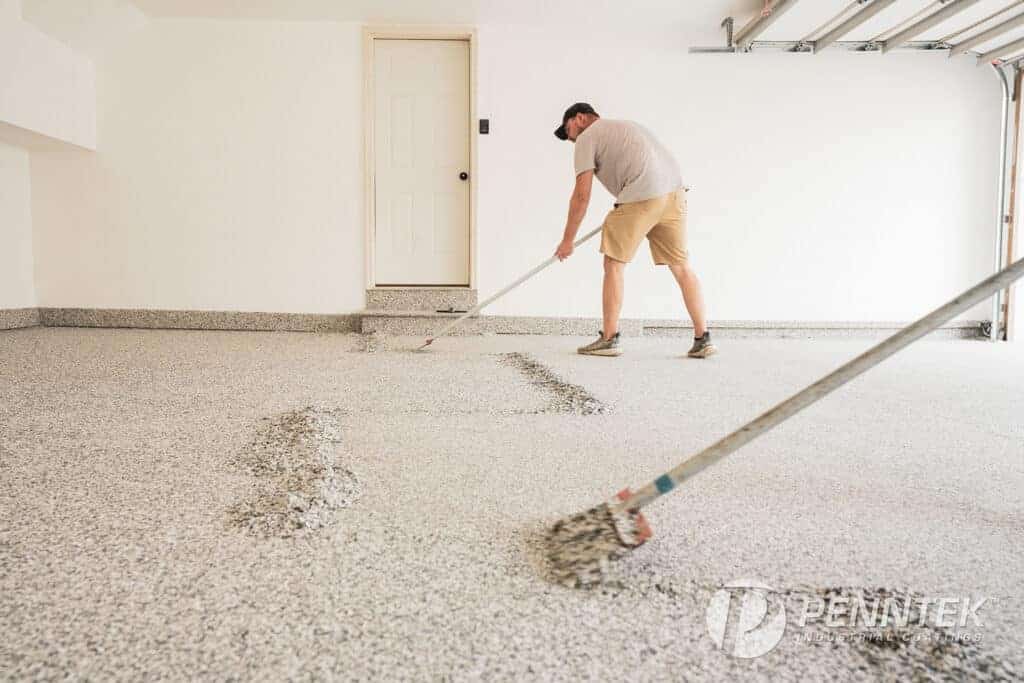
Polyurea vs. Polyaspartic Coatings: See the Difference
Looking for the best concrete coating solution for your floor? You’ve probably come across polyaspartic and polyurea coatings. While both sound impressive, understanding their differences is key in determining the right choice for your needs. Let’s decode the debate around Polyaspartic vs. Polyurea coatings.
What are Polyaspartic and Polyurea Coatings?
To put it simply, polyaspartic and polyurea are both types of coatings used to protect and enhance concrete floors.
Polyaspartic is actually a type of polyurea, developed to provide superior protection for concrete. Its unique formula allows for faster curing times and exceptional durability.
Polyurea, on the other hand, is a broader category of coatings known for their strength and flexibility. It’s used in a wide variety of applications, including concrete floor coatings.
The Similarities
Both polyaspartic and polyurea coatings offer superior protection for your concrete flooring. They are both incredibly durable, resistant to UV rays, chemicals, and abrasion. They also offer fast curing times compared to traditional epoxy coatings.
The Differences
While similar in many aspects, there are some crucial differences between polyaspartic and polyurea coatings.
Application Conditions: Polyaspartic coatings can be applied in a broader range of temperatures and humidity levels compared to polyurea, which requires more specific conditions to ensure a proper cure.
Flexibility and Tensile Strength: Polyurea outshines polyaspartic when it comes to flexibility and tensile strength. This makes it more resistant to cracking and peeling, especially in heavy-duty or commercial applications.
Cure Times: Both offer quick curing times, but polyaspartic coatings generally cure faster than polyurea. This makes polyaspartic an attractive option for projects that need a quick turnaround.
So Which Is Better?
The answer to this question largely depends on your specific needs. If you’re looking for a coating that can be applied in various conditions and cures quickly, polyaspartic may be the way to go. But if superior flexibility and strength are your top priorities, polyurea might be a better fit.
At Freedom Concrete Coatings, we specialize in Polyurea coatings because of their unbeatable durability, flexibility, and long-lasting results. Want to know more about how polyurea can benefit your concrete floors? Contact us today!
Remember, a well-applied coating, whether it’s polyaspartic or polyurea, will always outperform a poorly applied one. Always trust professionals like us at Freedom Concrete Coatings to ensure the best results for your floor.
And there you have it! A concise guide to understanding polyaspartic and polyurea coatings. For more insights and advice on concrete coatings, keep following our blog.